
Malaysia Consumer Appliances Market Outlook to 2029
By Market Structure (Branded and Local), By Product Type (Dishwashers, Washing Machines, Cooking Appliances, Microwaves, Freezers, Refrigerators, Air Treatment Products, Food Preparation Appliances, Heating Appliances, Irons, Personal Care Appliances
Report Overview
Report Code
TDR0070
Coverage
Asia
Published
November 2024
Pages
80-100
Flexible Purchase Options
Select and purchase only the chapters you need for your strategic decisions
On This Page
Report Overview
The report titled “Malaysia Consumer Appliances Market Outlook to 2029 - By Market Structure (Branded and Local), By Product Type (Dishwashers, Washing Machines, Cooking Appliances, Microwaves, Freezers, Refrigerators, Air Treatment Products, Food Preparation Appliances, Heating Appliances, Irons, Personal Care Appliances, Small Cooking Appliances, Vacuum Cleaners and Small Appliances), By Distribution Channel, By Consumer Demographics, and By Region” provides a comprehensive analysis of the consumer appliances market in Malaysia.
Report Coverage
Verified Market Sizing
Multi-layer forecasting with historical data and 5–10 year outlook
Deep-Dive Segmentation
Cross-sectional analysis by product type, end user, application and region
Competitive Benchmarking & Positioning
Market share, operating model, pricing and competition matrices
Actionable Insights & Risk Assessment
High-growth white spaces, underserved segments, technology disruptions and demand inflection points
Review Methodology & Data Structure
Preview report structure, data sources and research framework
Executive Summary
The report titled “Malaysia Consumer Appliances Market Outlook to 2029 - By Market Structure (Branded and Local), By Product Type (Dishwashers, Washing Machines, Cooking Appliances, Microwaves, Freezers, Refrigerators, Air Treatment Products, Food Preparation Appliances, Heating Appliances, Irons, Personal Care Appliances, Small Cooking Appliances, Vacuum Cleaners and Small Appliances), By Distribution Channel, By Consumer Demographics, and By Region” provides a comprehensive analysis of the consumer appliances market in Malaysia. The report covers an overview and genesis of the industry, overall market size in terms of revenue, market segmentation; trends and developments, regulatory landscape, customer level profiling, issues and challenges, and comparative landscape including competition scenario, cross-comparison, opportunities and bottlenecks, and company profiling of major players in the Consumer Appliances Market. The report concludes with future market projections based on sales revenue, by market, product types, region, cause and effect relationship, and success case studies highlighting the major opportunities and cautions.
Malaysia Consumer Appliances Market Overview and Size
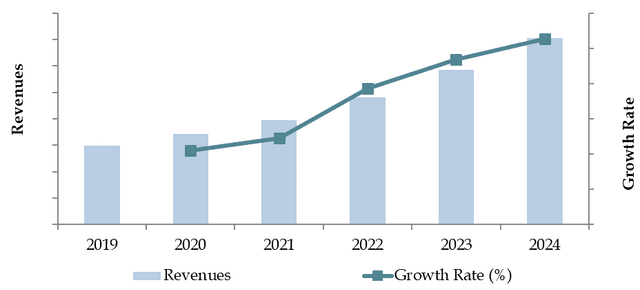
The Malaysia consumer appliances market reached a valuation of MYR 8.5 Billion in 2023, driven by the rising demand for household convenience, increasing disposable income, and evolving consumer preferences towards energy-efficient appliances. The market is characterized by major players such as Panasonic, Samsung, LG, Electrolux, and Sharp, recognized for their extensive product ranges, high-quality standards, and customer-focused services.
In 2023, Samsung introduced a new range of smart home appliances equipped with IoT capabilities, enhancing the consumer experience and catering to the growing trend of smart home integration. Kuala Lumpur, Selangor, and Johor Bahru are key markets due to their high population density and higher disposable incomes.
Market Size for Malaysia Consumer Appliances Industry on the Basis of Revenue in MYR, 2018-2023
Source: TraceData Research Analysis
What Factors are Leading to the Growth of the Malaysia Consumer Appliances Market:
Rising Disposable Income: The growing middle class with higher disposable incomes has driven the demand for consumer appliances, particularly in urban areas. Consumers are investing more in premium and technologically advanced products, reflecting an increased emphasis on quality and durability.
Technological Advancements: Technological innovations, such as IoT-enabled appliances and energy-efficient products, have significantly contributed to market growth. In 2023, approximately 30% of households in Malaysia owned at least one smart appliance, a trend expected to continue as consumers seek greater convenience and control.
Government Initiatives: The Malaysian government's focus on promoting energy-efficient products through incentives and subsidies has spurred demand for appliances with low energy consumption. In 2023, sales of energy-efficient air conditioners and refrigerators grew by 20% compared to the previous year.
Which Industry Challenges Have Impacted the Growth for Malaysia Consumer Appliances Market
Price Sensitivity Among Consumers: Despite growing disposable incomes, a significant portion of Malaysian consumers remain highly price-sensitive. This factor limits the adoption of premium appliances, especially in rural and semi-urban regions. Many consumers still prioritize cost over features, leading to slower market penetration for high-end appliances. As a result, several brands face difficulties in justifying the higher price points of advanced products, potentially deterring up to 30% of prospective purchasers.
Supply Chain Disruptions: Recent disruptions in the global supply chain, particularly delays in the import of critical components and logistical bottlenecks, have impacted the availability of consumer appliances in Malaysia. In 2023, these disruptions led to an average delay of 3-4 weeks in the supply of high-end refrigerators, washing machines, and air conditioners. This has resulted in reduced sales and customer dissatisfaction, impacting the overall market growth.
Intense Market Competition: The Malaysian consumer appliances market is characterized by intense competition, with numerous local and international players competing for market share. Brands are compelled to engage in aggressive pricing strategies and promotions, which can erode profit margins. This competitive pressure is particularly challenging for smaller brands and new entrants, making it difficult for them to establish a foothold in the market.
What are the Regulations and Initiatives Which Have Governed the Market:
Energy Efficiency Labeling and Standards: The Malaysian government mandates energy efficiency labeling for major consumer appliances such as refrigerators, air conditioners, and washing machines. These labels are intended to inform consumers about the energy consumption of each appliance, promoting the use of energy-saving products. In 2023, approximately 85% of new appliances sold in Malaysia adhered to these standards, indicating a high level of compliance within the market.
Import Restrictions on Non-Compliant Appliances: The government has implemented strict regulations on the importation of consumer appliances that do not meet the national safety and energy standards. Appliances that fail to comply with these standards are prohibited from entering the market. In 2023, about 12% of imported appliances were rejected due to non-compliance, reflecting the government’s commitment to maintaining high-quality standards and ensuring consumer safety.
Government Incentives for Green and Smart Appliances: To encourage the adoption of energy-efficient and smart appliances, the Malaysian government has introduced various incentives, including tax exemptions, subsidies, and reduced import duties on eco-friendly products. These incentives aim to make green appliances more affordable and accessible to a larger consumer base. As a result, the sales of energy-efficient air conditioners and refrigerators grew by 18% in 2023, driven by increased consumer awareness and favorable pricing.
Malaysia Consumer Appliances Market Segmentation
By Product Type: Large appliances hold a significant share of the market, driven by strong demand for refrigerators, washing machines, and air conditioners due to their essential nature in households. Refrigerators dominate the segment due to their necessity in preserving food, followed closely by washing machines, which are considered a basic requirement in modern households. Small appliances, such as microwave ovens and vacuum cleaners, are also gaining traction, particularly among urban consumers who seek convenience and efficiency in their daily routines.
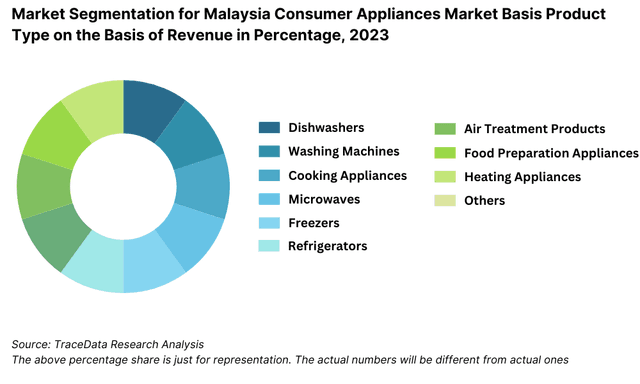
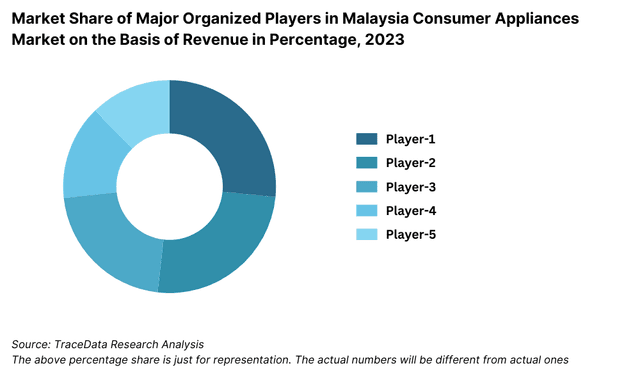
By Manufacturer: Panasonic is the leading manufacturer in the consumer appliances market, owing to its long-standing reputation for reliability and product quality. Its extensive product portfolio and strong after-sales service network make it the preferred choice for many Malaysian households. Samsung follows closely, leveraging its technological advancements and innovative product designs. LG and Electrolux also have a significant presence, catering to mid-to-premium segments with their emphasis on energy efficiency and smart features.
By Distribution Channel: Offline retail channels, such as specialty stores and hypermarkets, dominate the distribution landscape due to the preference for in-person product demonstrations and consultations. However, online channels are gaining momentum, driven by the convenience of e-commerce platforms such as Lazada and Shopee, which offer a wider product range, competitive pricing, and home delivery services. In 2023, around 35% of consumer appliance sales were conducted through online platforms, reflecting a growing trend towards digital purchasing.
Competitive Landscape in Malaysia Consumer Appliances Market
The Malaysia consumer appliances market is moderately fragmented, with several leading international and domestic players competing for market share. Established brands such as Panasonic, Samsung, LG, and Electrolux dominate the market due to their extensive product offerings, strong brand equity, and robust distribution networks. The entry of new players and the expansion of online platforms like Lazada and Shopee have diversified the market, providing consumers with a wider array of choices and services.
Company Name | Segment | Establishment Year | Headquarters |
|---|---|---|---|
Electrolux | Refrigerators, Washing machines, Microwaves, Dishwashers, Vacuum cleaners | 1919 | Stockholm, Sweden |
Panasonic | Refrigerators, Washing machines, Microwaves, Air conditioners | 1918 | Osaka, Japan |
Bosch | Dishwashers, Washing machines, Ovens, Refrigerators | 1886 | Gerlingen, Germany |
Toshiba | Refrigerators, Washing machines, Microwaves, Rice cookers | 1939 | Tokyo, Japan |
LG Electronics | Refrigerators, Washing machines, Air conditioners, Microwaves | 1958 | Seoul, South Korea |
Hitachi | Refrigerators, Washing machines, Air conditioners, Vacuum cleaners | 1910 | Tokyo, Japan |
FOTILE | Cooking appliances, Dishwashers, Ovens | 1996 | Zhongshan, China |
Senz | Cooker hoods, Stoves, Small appliances | 2009 | Malaysia |
Livinox | Cooker hoods, Hobs, Ovens, Water heaters | 2014 | Malaysia |
Recent Competitor Trends and Key Information about Competitors
Panasonic: Panasonic remains a leader in the Malaysian consumer appliances market, driven by its broad product range and emphasis on energy efficiency. In 2023, Panasonic reported a 15% increase in sales of its energy-efficient air conditioners and refrigerators, attributed to growing consumer awareness and government incentives promoting green technology.
Samsung: Known for its innovation in smart home appliances, Samsung experienced a 20% growth in sales of its IoT-enabled products in 2023. The company’s focus on integrating smart features into traditional appliances has resonated well with tech-savvy consumers, solidifying its position as a preferred brand for connected appliances.
LG: LG has capitalized on the growing demand for high-quality, energy-efficient appliances. In 2023, LG reported a 12% increase in sales of its premium washing machines and refrigerators, supported by its strong after-sales service and warranty programs. The company’s emphasis on durability and advanced technology has contributed to its steady growth.
Electrolux: Electrolux has carved out a niche in the mid-to-premium segment, with a particular focus on kitchen appliances. The company saw a 10% rise in sales of its microwave ovens and dishwashers in 2023, driven by urbanization and changing consumer lifestyles. Electrolux's commitment to design and functionality continues to attract a loyal customer base.
Sharp: Sharp has maintained its position through its affordable yet high-quality product offerings. In 2023, Sharp reported a 14% increase in sales of its air purifiers and small kitchen appliances, leveraging its reputation for value-for-money products. The company’s strategic focus on health and wellness-oriented appliances has positioned it well in the market.
Khind Holdings: A prominent local player, Khind Holdings specializes in small home appliances and has a strong presence in the domestic market. In 2023, Khind saw a 9% growth in sales of its rice cookers and fans, primarily driven by strong brand loyalty and its widespread distribution network across Malaysia.
What Lies Ahead for Malaysia Consumer Appliances Market?
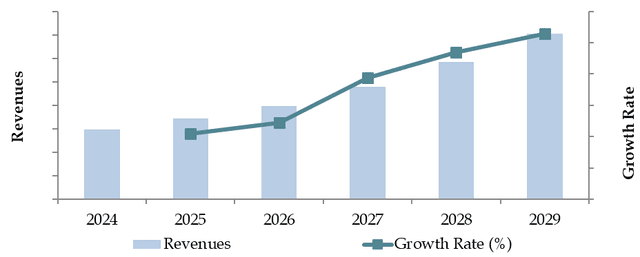
The Malaysia consumer appliances market is expected to witness steady growth by 2029, exhibiting a healthy CAGR during the forecast period. This growth is anticipated to be driven by increasing disposable incomes, technological advancements, and a growing preference for smart and energy-efficient appliances.
Rising Adoption of Smart Home Appliances: As more consumers in Malaysia embrace the concept of smart homes, there is likely to be a surge in demand for IoT-enabled appliances. This trend is supported by growing digital infrastructure and consumer interest in enhancing convenience and connectivity within their living spaces. The integration of voice control and automation features is expected to drive the adoption of smart refrigerators, washing machines, and kitchen appliances.
Increased Focus on Energy Efficiency: The Malaysian government’s ongoing efforts to promote energy efficiency are expected to boost the market for energy-efficient consumer appliances. Incentives, such as tax exemptions and rebates for energy-efficient products, are likely to encourage manufacturers to invest in developing eco-friendly models. This trend is expected to benefit appliances like inverter air conditioners, LED lighting, and low-energy-consumption refrigerators.
Growth of Premium and Luxury Segments: There is a growing trend towards premium and luxury appliances among higher-income groups, particularly in urban areas. Brands like Electrolux and LG are increasingly focusing on premium offerings that combine aesthetics with advanced functionality. This shift is being driven by changing consumer preferences for quality and durability, as well as the desire for differentiated products that offer enhanced features and superior performance.
Expansion of E-commerce Platforms: The rapid expansion of e-commerce platforms, such as Lazada and Shopee, is expected to continue facilitating easier access to a wide range of consumer appliances. Online channels are projected to account for a growing share of appliance sales, as they offer competitive pricing, detailed product information, and convenient delivery options. This trend is likely to drive sales among tech-savvy consumers who prefer the convenience of online shopping.
Emphasis on Sustainability and Eco-Friendly Practices: As awareness of environmental sustainability grows, more consumers are expected to opt for eco-friendly appliances. Manufacturers are increasingly adopting sustainable practices, such as using recyclable materials, implementing green production processes, and launching campaigns to promote energy-saving appliances. This trend is anticipated to influence consumer purchasing decisions, particularly among environmentally conscious buyers.
Future Outlook and Projections for Malaysia Consumer Appliances Market on the Basis of Revenue, 2024-2029
Malaysia Consumer Appliances Market Segmentation
- By Market Structure:
- Organized Sector
- Unorganized Sector
- By Product Type:
- Major Appliances
- Small Appliances
- By Major Appliances
- Dishwashers
- Washing Machines
- Cooking Appliances
- Microwaves
- Freezers
- Refrigerators
- Washing Machines:
- Semi Automatic
- Automatic Washing Machines
- Cooking Appliances:
- Built-In Hobs
- Ovens
- Cooker Hoods
- Cookers
- Freezers:
- Built-In
- Freestanding
- Small Appliances
- Air Treatment Products
- Food Preparation Appliances
- Heating Appliances
- Irons
- Personal Care Appliances
- Small Cooking Appliances
- Vacuum Cleaners and Small Appliances:
- By Distribution Channel:
- Online Platforms (E-commerce)
- Offline Retail Stores
- Multi-brand Showrooms
- Exclusive Brand Outlets
- Wholesale Channels
- By Consumer Demographics:
- Age Group:
- 18-24
- 25-34
- 35-44
- 45-54
- 55+
- Income Group:
- Lower-Income
- Middle-Income
- Upper-Middle-Income
- High-Income
- Age Group:
- By Region:
- Central Malaysia (Kuala Lumpur, Selangor)
- Northern Malaysia (Penang, Kedah, Perlis)
- Southern Malaysia (Johor, Malacca, Negeri Sembilan)
- Eastern Malaysia (Sabah, Sarawak)
- Western Malaysia (Pahang, Terengganu, Kelantan)
Players Mentioned in the Report:
- Samsung Electronics
- LG Electronics
- Panasonic
- Electrolux
- Haier Group
- Whirlpool Corporation
- Bosch
- Sharp
- Toshiba
- Hitachi
Key Target Audience:
- Consumer Appliance Manufacturers
- Online and Offline Retailers
- Appliance Distributors and Importers
- Government Regulatory Bodies (e.g., Energy Commission of Malaysia)
- Research and Development Institutions
Time Period:
- Historical Period: 2018-2023
- Base Year: 2024
- Forecast Period: 2024-2029
Explore Flexible Purchase Options or Have Limited Budget?
Pay only for relevant chapters • Customizable report sections
Table of Contents
Choose individual sections to purchase. Mix and match as you like.
4.1. Value Chain Process-Role of Entities, Stakeholders, and Challenges Faced
4.2. Revenue Streams for the Malaysia Consumer Appliances Market
4.3. Business Model Canvas for the Malaysia Consumer Appliances Market
4.4. Buying Decision-Making Process
4.5. Supply Decision-Making Process
5.1. New Appliance Sales in Malaysia, 2018-2024
5.2. Replacement vs. New Sales Ratio in Malaysia, 2018-2024
5.3. Spend on Home Appliances in Malaysia, 2024
5.4. Number of Consumer Appliance Deaers in the Malaysia by Region
8.1. Revenues, 2018-2024
9.1. By Market Structure (Branded and Local Brands), 2023-2024P
9.2. By Type (Major and Small Appliances), 2018-2024
9.2.1. By Major Appliances (Dishwashers, Washing Machines, Cooking Appliances, Microwaves, Freezers, Refrigerators), 2018-2024
9.2.1.1. By Washing Machines (Semi-Automatic and Automatic Washing Machines), 2018-2024
9.2.1.2. By Cooking Appliances (Built-In Hobs, Ovens, Cooker Hoods and Cookers), 2018-2024
9.2.1.3. By Freezers (Built-In and Freestanding), 2018-2024
9.2.1.4. By Refrigerator (Built-In and Freestanding), 2018-2024
9.2.2. By Small Appliances (Air Treatment Products, Food Preparation Appliances, Heating Appliances, Irons, Personal Care Appliances, Small Cooking Appliances, Vacuum Cleaners and Small Appliances), 2018-2024
9.3. By Average Price Range, 2023-2024P
9.4. By Distribution Channel (MBOs, EBOs, Online and others), 2023-2024P
9.5. By Region (Northern, Southern, Western, Eastern, Central), 2023-2024P
9.6. By Technology Adoption (Smart, AI-Enabled, IoT-Enabled, and Non-Smart), 2023-2024P
10.1. Customer Landscape and Cohort Analysis
10.2. Customer Journey and Decision Making
10.3. Need, Desire, and Pain Point Analysis
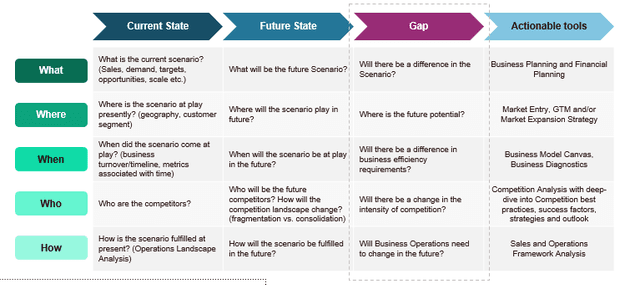
10.4. Gap Analysis Framework
11.1. Trends and Developments in the Malaysia Consumer Appliances Market
11.2. Growth Drivers for the Malaysia Consumer Appliances Market
11.3. SWOT Analysis for the Malaysia Consumer Appliances Market
11.4. Issues and Challenges for the Malaysia Consumer Appliances Market
11.5. Government Regulations for the Malaysia Consumer Appliances Market
12.1. Market Size and Future Potential for Online Consumer Appliances Market, 2018-2029
12.2. Business Model and Revenue Streams for Major Marketplace and Company Websites
12.3. Cross-Comparison of Leading Online Consumer Appliance Companies Based on Operational and Financial Parameters
13.1. Finance Penetration Rate and Average Down Payment for Consumer Appliances, 2018-2029
13.2. Trends in Finance Penetration Rates Over the Years and Contributing Factors
13.3. Appliance Segments with Higher Finance Penetration
13.4. Finance Split by Banks/NBFCs/Private Finance Companies and Captive Entities, 2023-2024P
13.5. Average Finance Tenure for Consumer Appliances in the Malaysia
13.6. Finance Disbursement for Consumer Appliances in Malaysia, 2018-2024P
16.1. Market Share of Key Players in India Consumer Electronics Market, 2018-2024
16.1.1. Market Share of Key Players in India Washing Machine Market, 2018-2024
16.1.2. Market Share of Key Players in India Cooking Appliances Market, 2018-2024
16.1.3. Market Share of Key Players in India Refrigerator Market, 2018-2024
16.1.4. Market Share of Key Players in India Television Market, 2018-2024
16.2. Benchmarking of Key Competitors in India Consumer Electronics Market including Operational and Financial Parameters
16.3. Heat Map Analysis for Major Players in India Consumer Electronics Market
16.4. Strengths and Weaknesses Analysis
16.5. Operating Model Analysis Framework
19.1. Revenues, 2025-2029
20.1. By Market Structure (Branded and Local Brands), 2025-2029
20.2. By Type (Major and Small Appliances), 2025-2029
20.2.1. By Major Appliances (Dishwashers, Washing Machines, Cooking Appliances, Microwaves, Freezers, Refrigerators), 2025-2029
20.2.1.1. By Washing Machines (Semi-Automatic and Automatic Washing Machines), 2025-2029
20.2.1.2. By Cooking Appliances (Built-In Hobs, Ovens, Cooker Hoods and Cookers), 2025-2029
20.2.1.3. By Freezers (Built-In and Freestanding), 2025-2029
20.2.1.4. By Refrigerator (Built-In and Freestanding), 2025-2029
20.2.2. By Small Appliances (Air Treatment Products, Food Preparation Appliances, Heating Appliances, Irons, Personal Care Appliances, Small Cooking Appliances, Vacuum Cleaners and Small Appliances), 2025-2029
20.3. By Average Price Range, 2025-2029
20.4. By Distribution Channel (MBOs, EBOs, Online and others), 2025-2029
20.5. By Region (Northern, Southern, Western, Eastern, Central), 2025-2029
20.6. By Technology Adoption (Smart, AI-Enabled, IoT-Enabled, and Non-Smart), 2025-2029
20.7. Recommendation
20.8. Opportunity Analysis
Discuss a Customized Research Scope
Custom research scope • Tailored insights • Industry expertise
Research Methodology
Step 1: Ecosystem Creation
Map the ecosystem and identify all the demand-side and supply-side entities for the Malaysia Consumer Appliances Market. Based on this ecosystem, we will shortlist leading manufacturers in the country, focusing on their financial performance, production capacity, and market share.
Sourcing is conducted through a variety of industry articles, multiple secondary, and proprietary databases to perform desk research around the market, enabling the collation of industry-level information.
Step 2: Desk Research
We engage in an exhaustive desk research process by referencing diverse secondary and proprietary databases. This approach allows for a comprehensive analysis of the market, aggregating industry-level insights on sales revenues, number of market players, product pricing, demand trends, and other key variables.
This stage is supplemented with detailed examinations of company-level data, utilizing sources such as press releases, annual reports, financial statements, and industry-specific publications. The objective is to construct a robust understanding of both the overall market and the individual entities operating within it.
Step 3: Primary Research
A series of in-depth interviews are conducted with C-level executives and other stakeholders representing various Malaysia consumer appliance companies, distributors, and end-users. This interview process serves multiple purposes: validating market hypotheses, authenticating statistical data, and extracting valuable operational and financial insights from these industry representatives.
A bottom-up approach is undertaken to evaluate sales volumes for each player, which is then aggregated to determine the overall market size.
As part of our validation strategy, our team executes disguised interviews by approaching companies under the guise of potential customers. This technique helps validate the operational and financial information provided by company executives, cross-referencing this data with secondary databases. These interactions offer a comprehensive view of revenue streams, value chains, processes, pricing structures, and other critical factors.
Step 4: Sanity Check
- A bottom-to-top and top-to-bottom analysis, along with market size modeling exercises, is carried out to validate the findings. This sanity check process ensures that the data collected is accurate and consistent, providing a reliable basis for future projections and market strategies.
See What's Inside the Report
Get a preview of key findings, methodology and report coverage
Frequently Asked Questions
The Malaysia consumer appliances market is poised for steady growth, reaching a valuation of MYR 8.5 Billion in 2023. This growth is driven by factors such as rising disposable incomes, increasing urbanization, and the adoption of smart and energy-efficient appliances. The market's potential is further supported by the growing e-commerce sector, which has expanded access to a wider range of consumer appliances.
The Malaysia Consumer Appliances Market features several key players, including Panasonic, Samsung, LG, and Electrolux. These companies dominate the market due to their extensive product portfolios, strong brand presence, and robust distribution networks. Other notable players include Sharp, Khind, and Philips, which cater to various consumer segments ranging from premium to budget-conscious buyers.
Key growth drivers include technological advancements such as the integration of IoT and smart home solutions, government initiatives promoting energy-efficient products, and rising consumer awareness about environmental sustainability. Additionally, the shift towards online shopping platforms has made it easier for consumers to access a diverse range of products, enhancing overall market growth.
The Malaysia Consumer Appliances Market faces several challenges, including intense competition, price sensitivity among consumers, and supply chain disruptions. Compliance with evolving regulatory standards, particularly in terms of energy efficiency and safety, can also pose barriers for manufacturers. Furthermore, the lack of a robust after-sales service network in rural areas can impact customer satisfaction and brand loyalty.
License Options
PDF + Excel
Complete report package
$4,000
Excel Only
Data and analytics
$2,500
Custom Sections
Starts from $100
$0